Wednesday, August 22, 2012
Tuesday, July 17, 2012
Are Diet Drinks Bad for Teeth?
Thursday, July 12, 2012
"Keep 32" & The Secret to No Cavities
I'm not at all against new products that will help combat tooth decay. Dentistry is heading in a very exciting direction. The point is: tooth decay is a very preventable disease, now. You have the power to stop it right now. You don't need an antibiotic. Step up. Make a change. It's better for your whole body, not just your teeth.
Monday, July 9, 2012
Stop Smoking!
- Oral Cancer
- Dental Cavities
- Periodontal Disease
- Bone Loss
- Delayed Healing Responses
- Bad Breath
- ...and a long list of other systemic issues that you'd probably rather not deal with.
Wednesday, June 20, 2012
3 Steps to Fresher Breath
Step 1: Purchase a TONGUE SCRAPER. You can pick one up at any store that sells toothbrushes and such.
Step 2: Brush AND floss.
Step 3: Use the tongue scraper mentioned in "Step 1" to clean the back of your tongue DAILY.
We brush our teeth daily, but why do we not clean our tongues daily too?
Although bad breath can be caused by other factors such as diet, stomach/throat issues, systemic conditions, etc., the vast majority of the time it is caused by oral bacteria primarily on the back of the tongue. This bacteria needs to be physically removed. Mouth rinse will not wash it away.
Do you have bad breath? Test yourself. Take a spoon and use it to scrape the very back portion of your tongue. Then smell it. This is probably how your breath smells to others.
For a more in depth look at obtaining fresher breath, look here: How Fresh Is Your Breath?
Tuesday, June 12, 2012
Once It's Gone, It's Gone
Monday, June 4, 2012
Are You Prepared for a Dental Emergency?
Tuesday, May 22, 2012
The Impact of Sugary Drinks on Heart Health
“Researchers at Havard University found that men who consume one 12-ounce, sugar-sweetened drink every day have a 20 percent increased risk of heart attack than those who do not drink these sugar-laden treats. Further, this risk increases to 42 and 69 percent with two and three sugary drinks per day, respectively.” (AGD May 2012, Vol. 40, No. 5, p12)
Thursday, May 17, 2012
Sports Drinks
Are sports drinks bad? Not necessarily, but steps should be taken to minimize their potential harm:
- Hydrate early. Drink plenty of water prior to exercising in order to minimize dehydration
- Drink mostly water. Do not reach for a sports drink every time you need to grab a couple sips to quench your thirst. Every time you sip on a sports drink, the pH slips back below the crucial level.
- Swish with some water after drinking a swig of sports drink. This will at least rinse some of the sugar away and dilute the acid.
- If you are going to drink a sports drink, then drink it down in over a small period of time. Drinking 10 20oz sports drinks over the course of a couple minutes is much less harmful to your teeth than drinking a small cup of one over the course of an hour. How this makes sense.
Thursday, April 5, 2012
Secondhand Smoke and Periodontal Disease
Wednesday, March 14, 2012
What's In Toothpaste?
Toothpastes can be made up of different “ingredients”; however the two main must-have ingredients are: - Fluoride
- Abrasives
Thursday, February 16, 2012
The Mouth to Body Connection
Plain and simple....if you don't floss, this is what is happening:
Bacteria forms colonies in the mouth.
The body begins a defensive inflammatory response.
Periodontal disease develops. (Gingivitis is periodontal disease. Do your gums bleed?)
This is chronic condition of infection and inflammation in the mouth.
This causes increased bacterial contamination and inflammation in other areas of the body.
There is now an increased risk of many systemic diseases.
(Examples: atherosclerosis, diabetic complications, respiratory disease, pregnancy complications,...and many more)
Flossing is not just about helping your teeth out. It affects your whole body and life.
Thursday, February 9, 2012
How Much Sugar Is in a Coke?
Tuesday, January 31, 2012
A Spoonful of Sugar Helps.....Nothing

Wednesday, December 28, 2011
30 Seconds for a Better You
Wednesday, December 14, 2011
Stocking Stuffer Ideas...(from your dentist)

Monday, November 7, 2011
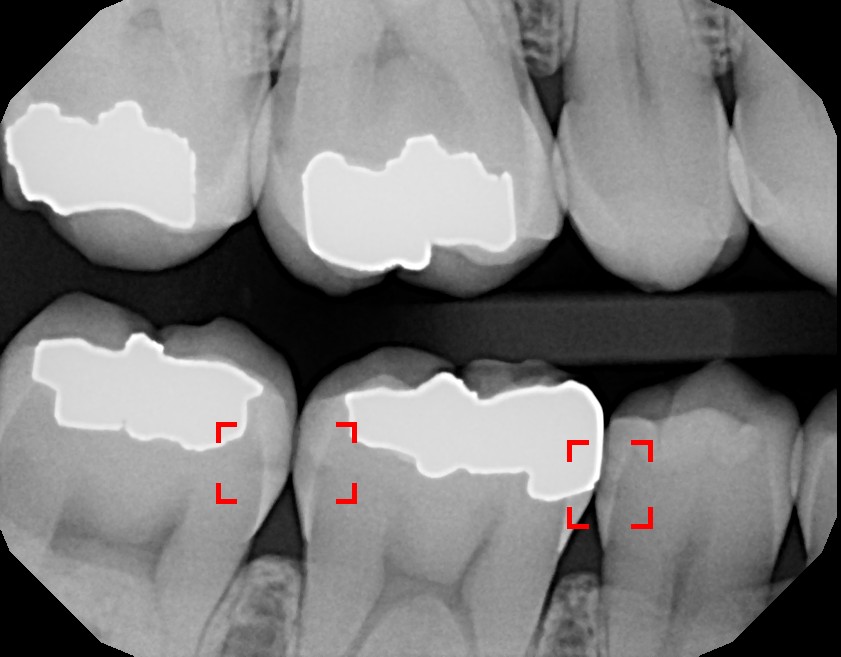
How Much Radiation Is in a Dental X-Ray?
To put things in perspective, an average resident of the U.S. receives over 360 mrem every year from background sources. This comes from all over the place: outer space, radioactive materials in the earth, small amounts of radioactive material in foods and products that we use, even over people. Variances in lifestyle likewise cause variances in each individual's total exposure. For example: an individual who flies often is exposed to more background radiation than someone who does not.
While steps should be taken to limit x-ray radiation exposure, dental x-rays are very low dose and are crucial for proper diagnosis. Without them, much of the oral cavity cannot be viewed.
Tuesday, October 25, 2011
Why Is Fluoride Good for Your Teeth?
- Remineralizes and strengthens areas of weakened enamel
- Inhibits the loss of minerals from teeth
- Fights against bacteria colonization
- Decreases teeth sensitivity
Monday, October 17, 2011
Are Baby Teeth Important?
Unfortunately, we see it too often. A child gets a cavity and the situation is ignored because “it’s a baby tooth”. Baby teeth are very important. If they were not, we would not have been created to have them- They reserve the necessary space for the permanent teeth. If a baby tooth is lost early, the space can collapse and create space issues for the permanent teeth.
- They contribute to facial development and anatomy of the surrounding structures. (This includes the development of the permanent teeth. If an infected baby tooth goes untreated it may permanently harm the developing tooth underneath it.)
- They aid in proper speech development.
- They aid in nutrition by allowing proper chewing. Missing or decayed teeth may cause a child to resist eating certain foods.
- They are the learning blocks for developing proper hygiene. If hygiene is not established as being important with baby teeth, then hygiene will not be important on their permanent teeth either.
Tuesday, September 27, 2011
Why is it hard to form effective dental hygiene habits?
Answer: Lack of true feedback Each of us has developed a dental routine that we run through everyday, but how effective is it? Most of us assume that just because we are brushing and flossing daily we are doing a good job. Are you getting any feedback (besides twice a year at the dentist)?
Your dental visits are crucial to your oral health, but in order to develop better technique and habits you need more frequent feedback and reinforcement.
Disclosing tablets and solutions are probably the most overlooked home dental product. These work by staining the plaque on your teeth a bright and easily visible color. This way you can see where you are collecting plaque and spots you may be missing when you go through your regular routine. You can then use this feedback to improve your technique.
Wouldn't you like to know if you're getting all the plaque off? I sure would.
You can buy these tablets or solutions from your drugstore or through your dentist.