Monday, November 7, 2011

How Much Radiation Is in a Dental X-Ray?

There are a few different factors that affect how much radiation is given off during a dental x-ray. However, with advancements in technology, especially digital systems, x-rays require very low dose radiation. Radiation dosage can be measured in units called millirems (mrem). A typical dental x-raytaken digitally exposes a patient to less than 0.5 mrem.

To put things in perspective, an average resident of the U.S. receives over 360 mrem every year from background sources. This comes from all over the place: outer space, radioactive materials in the earth, small amounts of radioactive material in foods and products that we use, even over people. Variances in lifestyle likewise cause variances in each individual's total exposure. For example: an individual who flies often is exposed to more background radiation than someone who does not.

While steps should be taken to limit x-ray radiation exposure, dental x-rays are very low dose and are crucial for proper diagnosis. Without them, much of the oral cavity cannot be viewed.

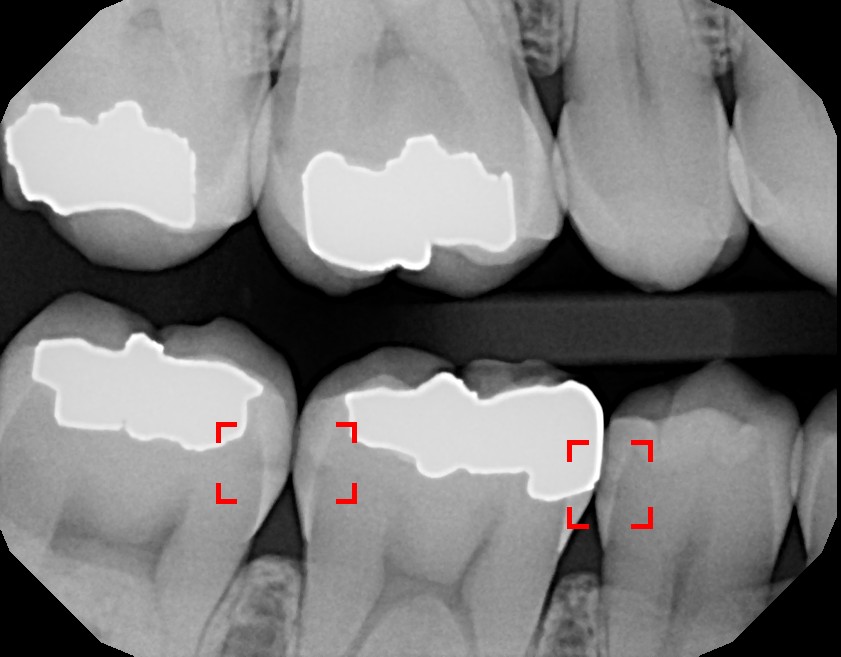
Bitewing x-ray showing cavities between the teeth that cannot be seen upon visual inspection of the mouth. Without x-rays, these would not have been detected until they were massive cavities...most likely requiring more intense treatment such as a root canal or extraction.

Tuesday, October 25, 2011

Why Is Fluoride Good for Your Teeth?

  • Remineralizes and strengthens areas of weakened enamel
  • Inhibits the loss of minerals from teeth
  • Fights against bacteria colonization
  • Decreases teeth sensitivity

Monday, October 17, 2011

Are Baby Teeth Important?

Unfortunately, we see it too often. A child gets a cavity and the situation is ignored because “it’s a baby tooth”. Baby teeth are very important. If they were not, we would not have been created to have them
Here are 5 reasons why baby teeth are very important:
  1. They reserve the necessary space for the permanent teeth. If a baby tooth is lost early, the space can collapse and create space issues for the permanent teeth.
  2. They contribute to facial development and anatomy of the surrounding structures. (This includes the development of the permanent teeth. If an infected baby tooth goes untreated it may permanently harm the developing tooth underneath it.)
  3. They aid in proper speech development.
  4. They aid in nutrition by allowing proper chewing. Missing or decayed teeth may cause a child to resist eating certain foods.
  5. They are the learning blocks for developing proper hygiene. If hygiene is not established as being important with baby teeth, then hygiene will not be important on their permanent teeth either.

Tuesday, September 27, 2011

Why is it hard to form effective dental hygiene habits?

Answer: Lack of true feedback

Each of us has developed a dental routine that we run through everyday, but how effective is it? Most of us assume that just because we are brushing and flossing daily we are doing a good job. Are you getting any feedback (besides twice a year at the dentist)?

Your dental visits are crucial to your oral health, but in order to develop better technique and habits you need more frequent feedback and reinforcement.

Disclosing tablets and solutions are probably the most overlooked home dental product. These work by staining the plaque on your teeth a bright and easily visible color. This way you can see where you are collecting plaque and spots you may be missing when you go through your regular routine. You can then use this feedback to improve your technique.

Wouldn't you like to know if you're getting all the plaque off? I sure would.

You can buy these tablets or solutions from your drugstore or through your dentist.

Thursday, August 18, 2011

Which Toothbrush?


A recent study suggested that expensive toothbrushes are no better than conventional toothbrushes. The study is referring to a comparison of MANUAL toothbrushes only, not electric or battery operated ones. Although, I had a couple of “mind-snags” with the study (mostly, that the study was only performed on children of a certain age), I did agree with some of their conclusions:

1.) A conventional, simple toothbrush design is capable of being just as effective as one with more “bells and whistles”.

2.) Dexterity, frequency, and duration of brushing were much more important factors than the style of toothbrush.

I couldn’t agree more with the 2nd statement. If you are a bad brusher, a new fancy toothbrush alone will not fix that.

So what toothbrush do I recommend? Here’s my checklist:

  • Get one with soft-bristles. Harder bristles often cause gum recession, tooth wear, and sensitivity.
  • When in doubt, choose one with a smaller head. This will ensure access to even the tighter spaces in your mouth. Also, a smaller head forces you to focus on smaller areas at a time, which should lead to a more thorough technique.

  • Most importantly...pick one that you like. Simple or fancy…it doesn’t really matter, but what does matter is that you actually use it! Maybe you have a hard time with your hands and you like the fancy gel-grip toothbrush…great! Maybe you love that your toothbrush lights up and plays music when you use it…perfect!

What about electric toothbrushes? Are they worth it?

As I’ve said before, if you are a bad brusher, a new toothbrush alone will not change that. I encourage people to use electric toothbrushes in two situations:

  1. Dexterity issues – This is commonly seen in children, elderly, and/or those suffering from a condition, such as arthritis, that can cause difficulty using your hands. Anyone who is having trouble with their hands and the motions needed to brush properly could benefit from the additional motion that an electric brush would provide.
  2. Motivational issues – This goes back to my checklist.“Pick one that you like.”If an electric toothbrush will help motivate you to brush better and more often, then “yes!”, definitely get one!

Wednesday, May 18, 2011

How Fresh Is Your Breath?

Everyone has bad breath sometimes, and for some, they have bad breath all the time. Whether sometimes or all the time, it is never pleasant. It affects our self-confidence and can affect our personal and business relationships.

How do I know if my breath is bad?

Here are a couple of different techniques:

  1. 1. Ask someone
  1. 2. Place a spoon as far back on your tongue as you can handle. Let it dry. Then smell.
  1. 3. Lick the back of your hand using as much tongue as you can stick out. Let it dry. Then smell.


What causes bad breath?

  • Mouth
    • Bacteria and food debris that cover your tongue and teeth produce foul smelling odors
    • Gum disease creates pockets below the gumline where bacteria collect
    • Cavities can also create a foul smell
    • Oral infections
  • Diet
    • Certain foods are smellier than others
    • An unbalanced diet can cause increased prevalence of malodor
    • Alcohol can dry out the oral cavity creating a breeding ground for odor producing substances
  • Habits
    • Smoking
    • Chewing tobacco
  • Illness
    • Sinus drainage
    • Respiratory tract infections
    • Some systemic diseases, such as diabetes, has been documented to increase prevalence of bad breath
  • Esophagus and Stomach
    • Although a more rare cause of bad breath, these anatomical areas can also harbor foul smelling food and bacteria

How to fix bad breath?

  • Maintain proper oral hygiene
    • Daily brushing AND flossing. Between the teeth is a favorite hang out for odor-causing bacteria. If you want fresh breath, you need to floss!
    • Routine visits to your dentist. Hard tartar builds up on teeth over time and can only be removed by a dentist’s special tools. If gum disease is present a “deep cleaning” may be necessary. Also, any cavities or infections can be addressed
  • Brush your TONGUE
    • Studies show that the tongue is the #1 source of bad breath. Invest in a good tongue brush and actually use it! Orabrush is my favorite.
  • Avoid mouthrinses that contain alcohol
    • Most mouth rinses do contain alcohol, so look for one that specifically says on the label “alcohol-free”
  • Stay hydrated
    • Drink lots of water and often. This has many benefits beyond helping your breath as well.
  • Chew sugar-free gum
    • Chewing sugar-free gum after meals stimulates your saliva (your body’s natural mouth rinse) and helps clean food debris.
  • Adjust your diet
    • Avoid smelly foods
    • Avoid excess alcohol
    • Maintain a balanced diet
      • Even some dieting strategies, like low-carb diets, can cause bad breath.
  • Stop smoking and using chewing tobacco
  • Visit your doctor
    • Studies show that ~90% of bad breath cases are mouth related. If you are still suffering from bad breath after following these guidelines then visit your doctor to determine if you may have an esophagus, stomach, lung, or systemic issue that may be affecting your breath.


Wednesday, March 2, 2011

Sports and Oral Injury Protection

Studies show that approximately 30% of children will experience a dental injury and that many of those are sports related. These injuries include: chipped teeth, broken teeth, teeth knocked out of place, and teeth knocked out completely. Treatment ranges from simple repair bonding to more complicated root canal and crown treatment. Unfortunately we also see situations where there is no option other than complete loss of the tooth. Soft tissue, such as gums, lips, and tongue, can also be abraded or lacerated.

Although contact with people and objects cannot be eliminated from sports, most oral injuries can be prevented by wearing a protective mouth guard. You have several options for yourself or your child when choosing a mouth guard. There are stock preformed mouth guards that can be purchased from a store. They are very inexpensive; however, they also offer the least amount of protection, they are typically bulky and uncomfortable to wear. I would not recommend these. Then there are "boil & bite" mouth guards. These can also be purchased at an athletic store. The user is then able to shaped the guard themselves at home after heating the guard in water. This gives a little bit more of a custom fit, better protection, and more comfort in wearing. Finally, there are true custom made mouth guards. These are made by your dentist from molds of your teeth. They are the least bulky (therefore the most comfortable), stay in place the best, and offer the greatest amount of protection. However, they are typically the most expensive of your options.

Which mouth guard is best? Well, the one that you or your child will actually wear! Many times you see kids with their mouth guards hanging out of their mouths. This is because they are uncomfortable to the child and they take every opportunity to not wear it. Comfort is a big deal to compliance. You want them to have something that they do not mind keeping in or even notice. Comfort in a mouth protector is generally one that is not bulky, does not pinch soft tissue, does not affect breathing, and has little affect on speech. Ideally, you want it to become second nature. A football player wouldn't feel right running on the field without their helmet. This is how we would love for athletes to feel about their mouth guards as well.

For a child, the "cool factor" is also essential to compliance. Common sense, but if they are self conscious about wearing one, then they will be less likely to wear it.

Clear mouth guards can be made that are hardly noticeable and on the other end of the spectrum, you can also have one made with vibrant "intimidating to the opponents" colors or even school colors. Many professional athletes wear custom mouth guards. Point this out to your child and show them pictures. When they see that their favorite athlete wears mouth protection, they will be more motivated to wear their own. Also, many athletes believe that mouth guards can actually enhance athletic performance. Do I believe this is true? I believe it doesn't matter if it's true or not...if someone believes it is helping them, then maybe it will help them! Athletes are notorious for good luck charms and superstitions; it all comes down to mind over matter and if an athlete believes they will compete better, then typically they will. So...if an athlete believes a mouth guard helps them compete...GREAT! At least they are motivated to wear one!

Mouth guards can be an expense up front, but it sure beats the cost of treatment resulting from an oral injury. Research or talk to your dentist about which option may be the best for you or your child's needs.


Side note:
Many people ask if they can use an athletic mouth guard to protect their teeth at night from grinding/clenching. Do not do this! Using an athletic mouth guard for this purpose can many times actually worsen your condition and lead to increased muscle & joint pain. If you are a grinder/clencher your dentist can fabricate a mouth piece that is specific for treating this condition.